
06.05.2025
CUESTA DEL LIPÁN
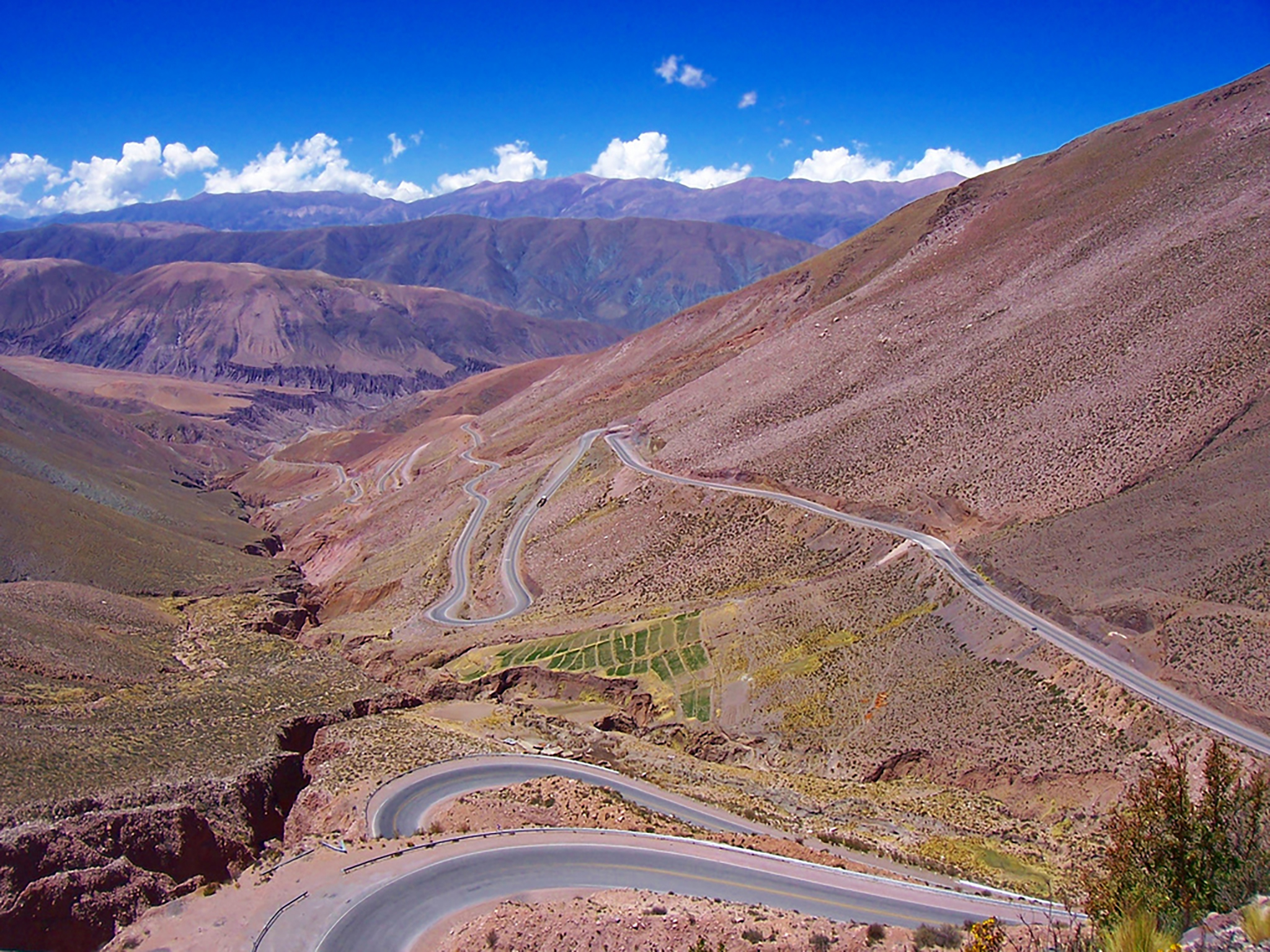
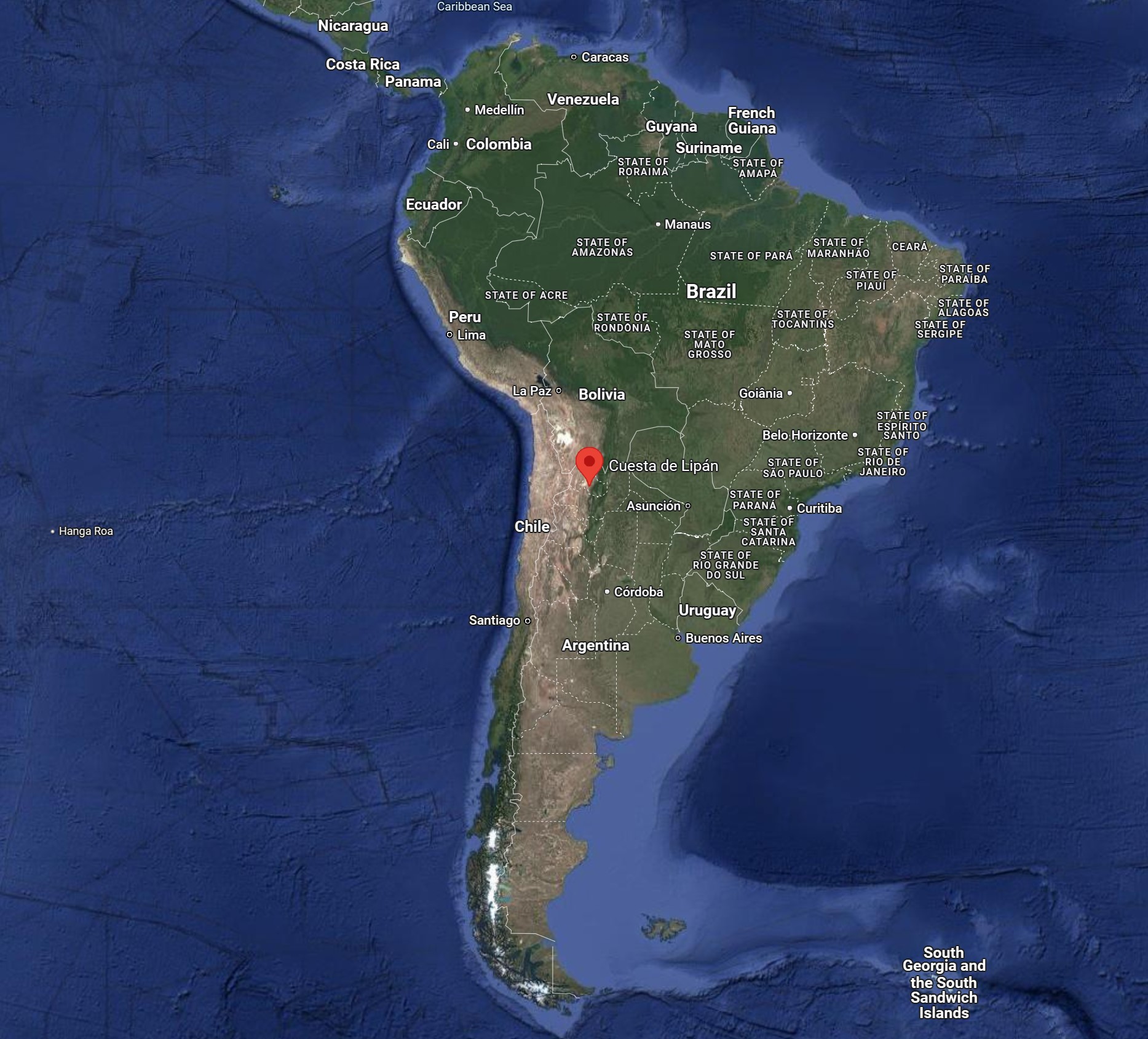
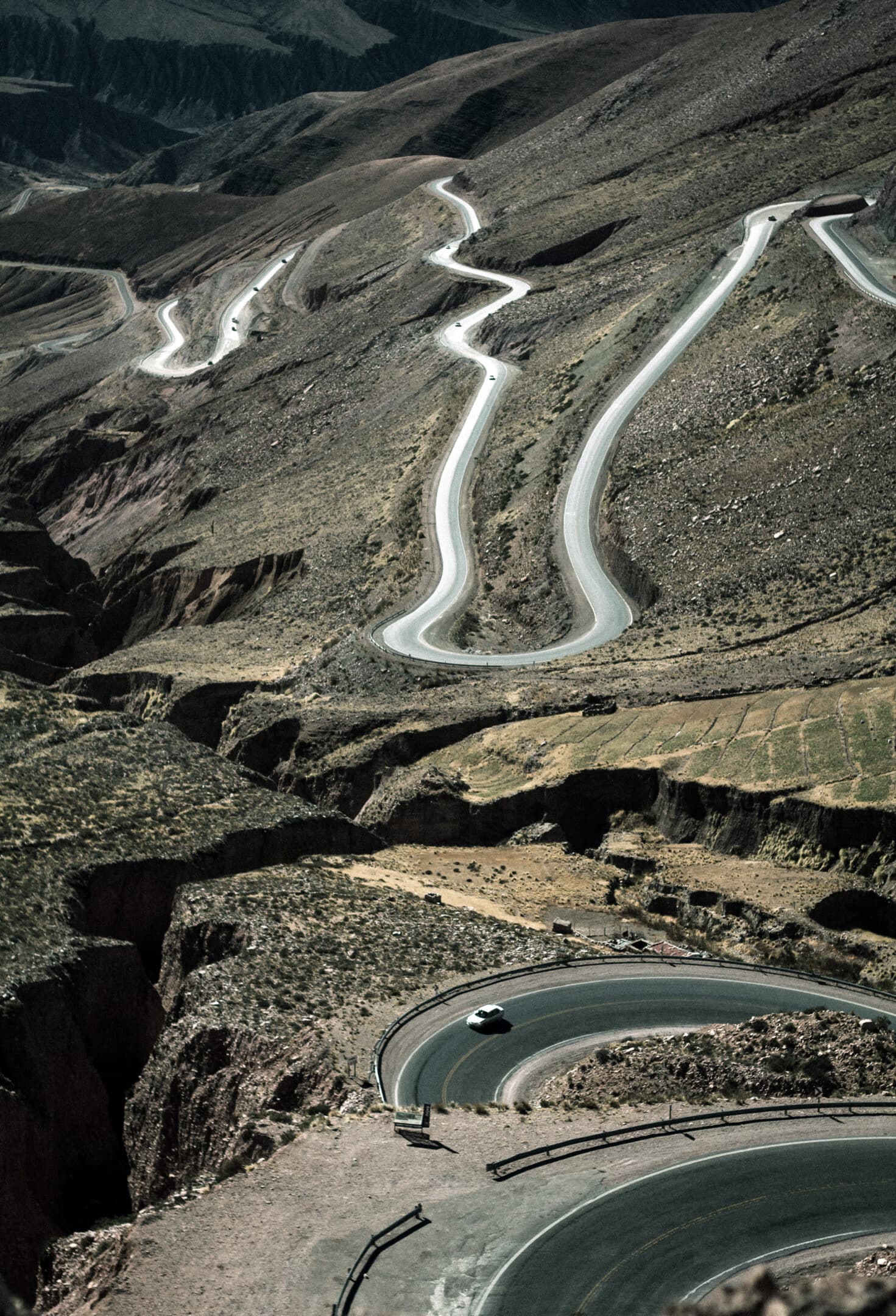
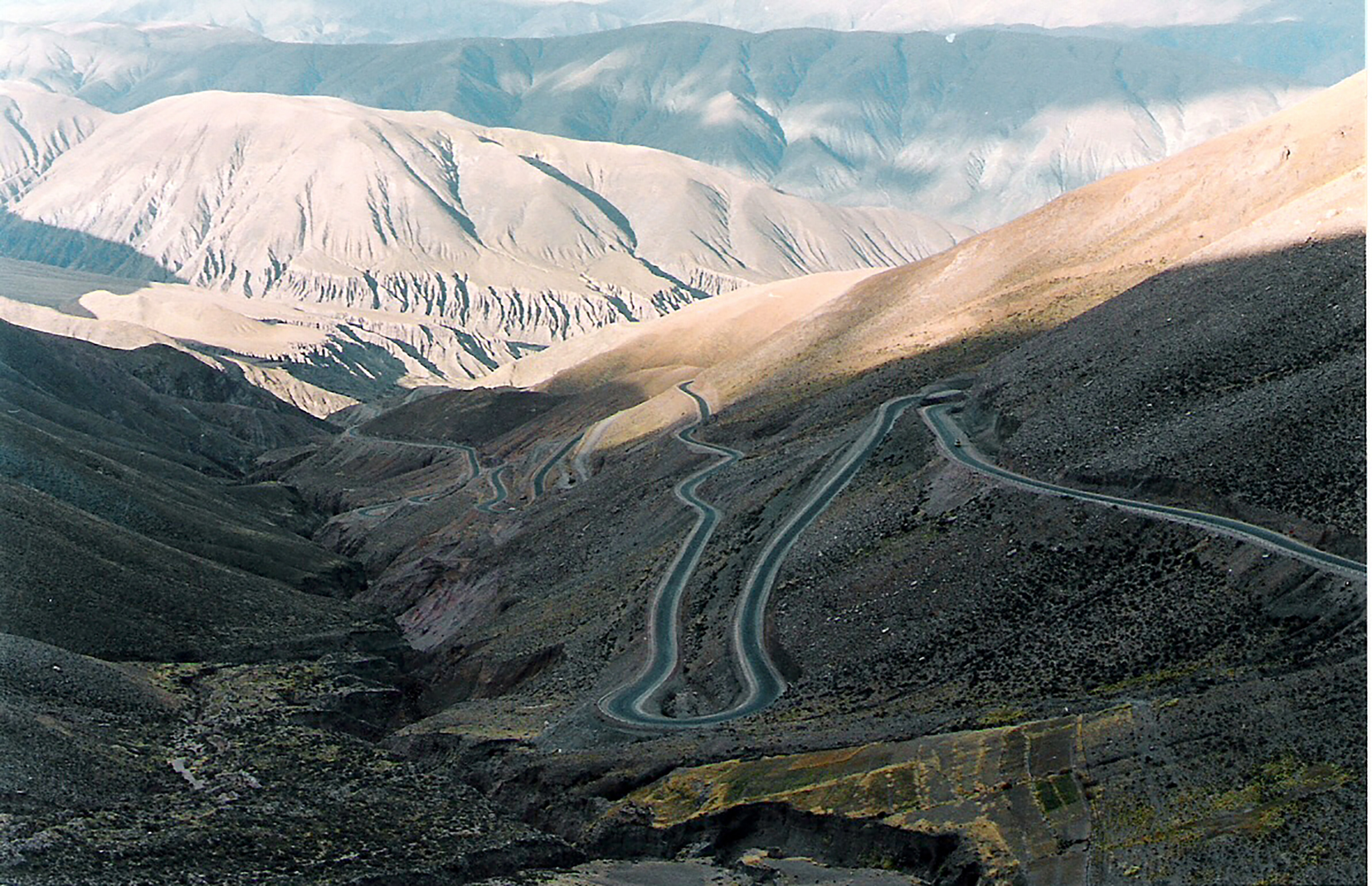
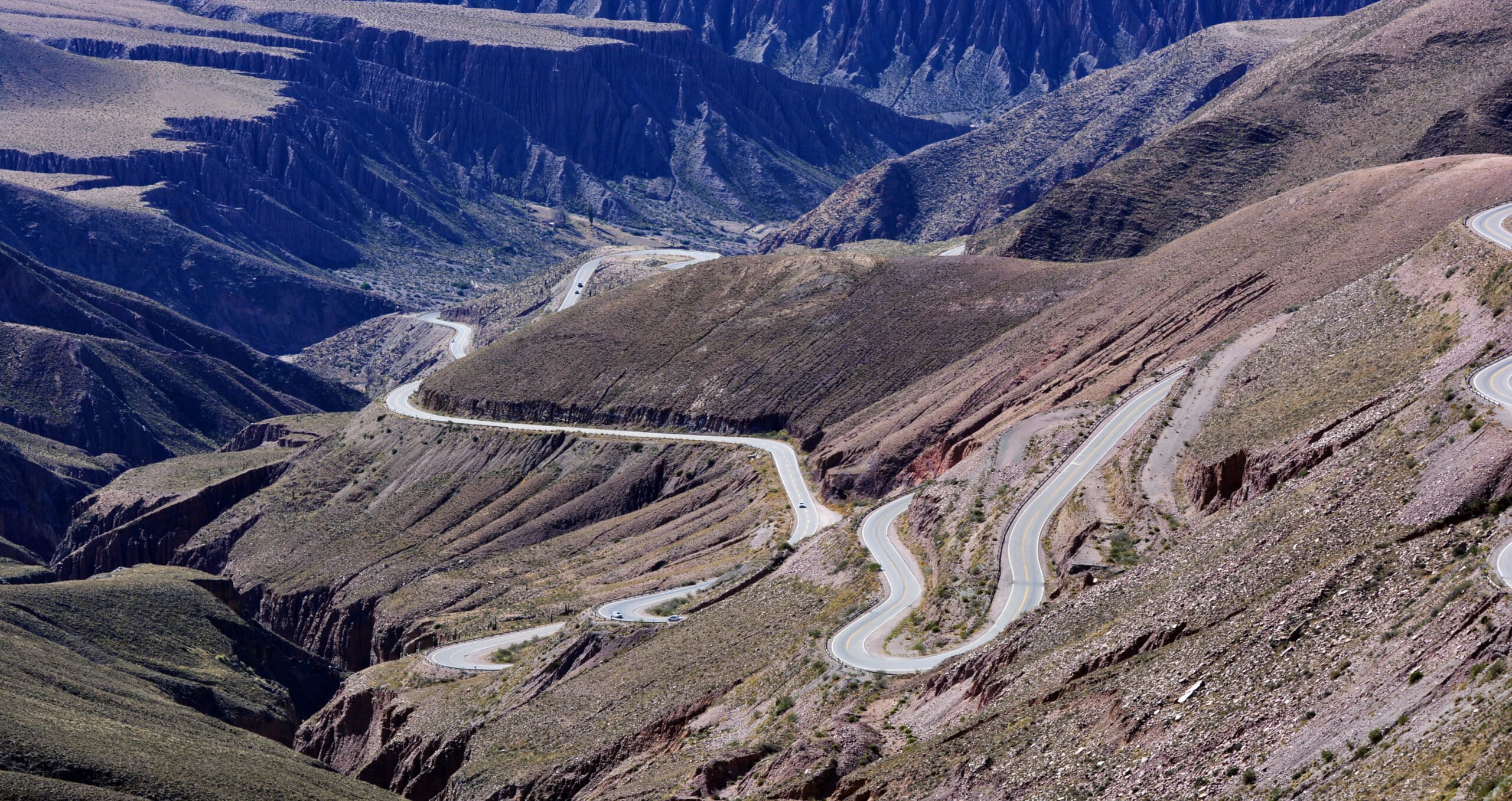
The route called Cuesta de Lipán is located in northern Argentina. Despite being less than 20 kilometers long, the road is considered one of the most beautiful highways in the country. Numerous curves and breathtaking views of the local mountains at an altitude of 4,000 meters above sea level make the ride for any driver is unforgettable and memorable.
DESCRIPTION
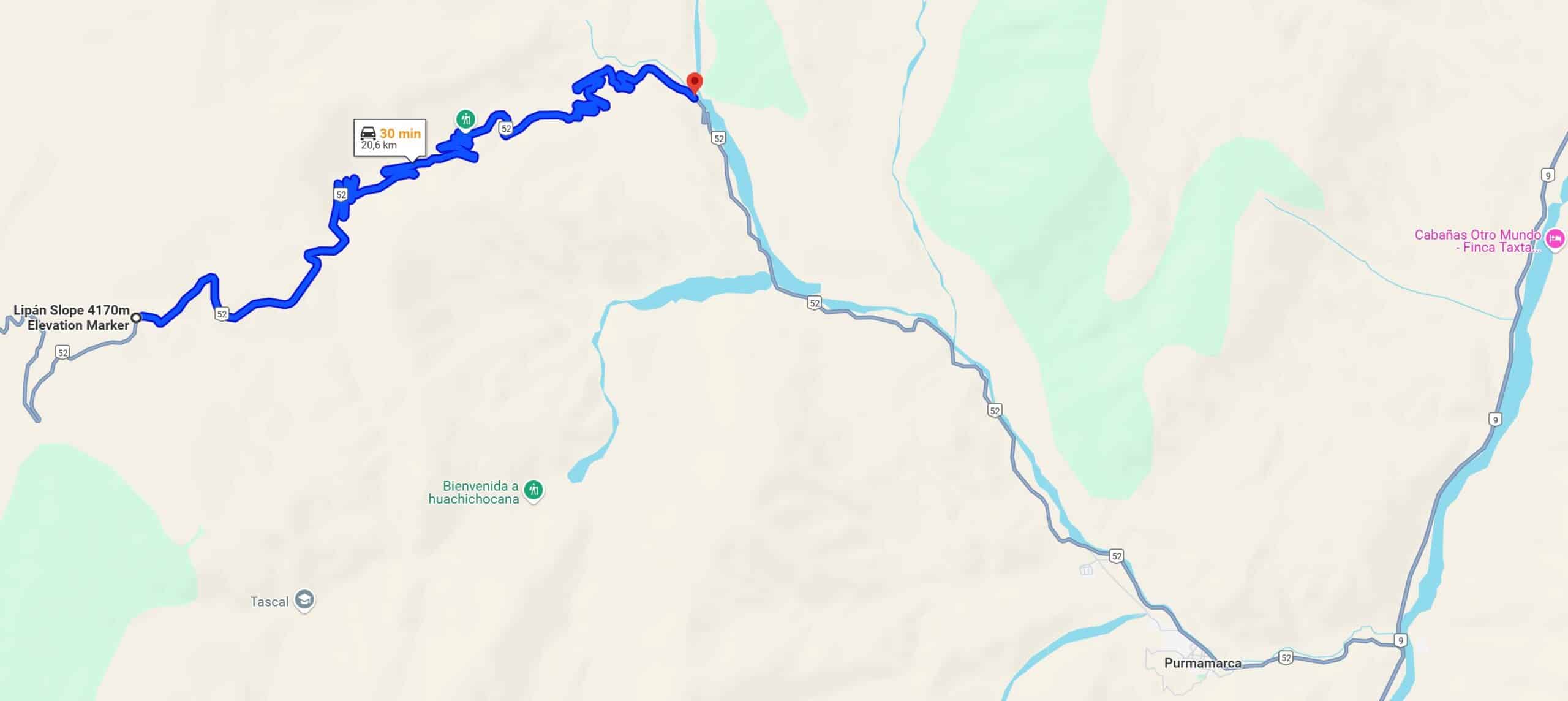
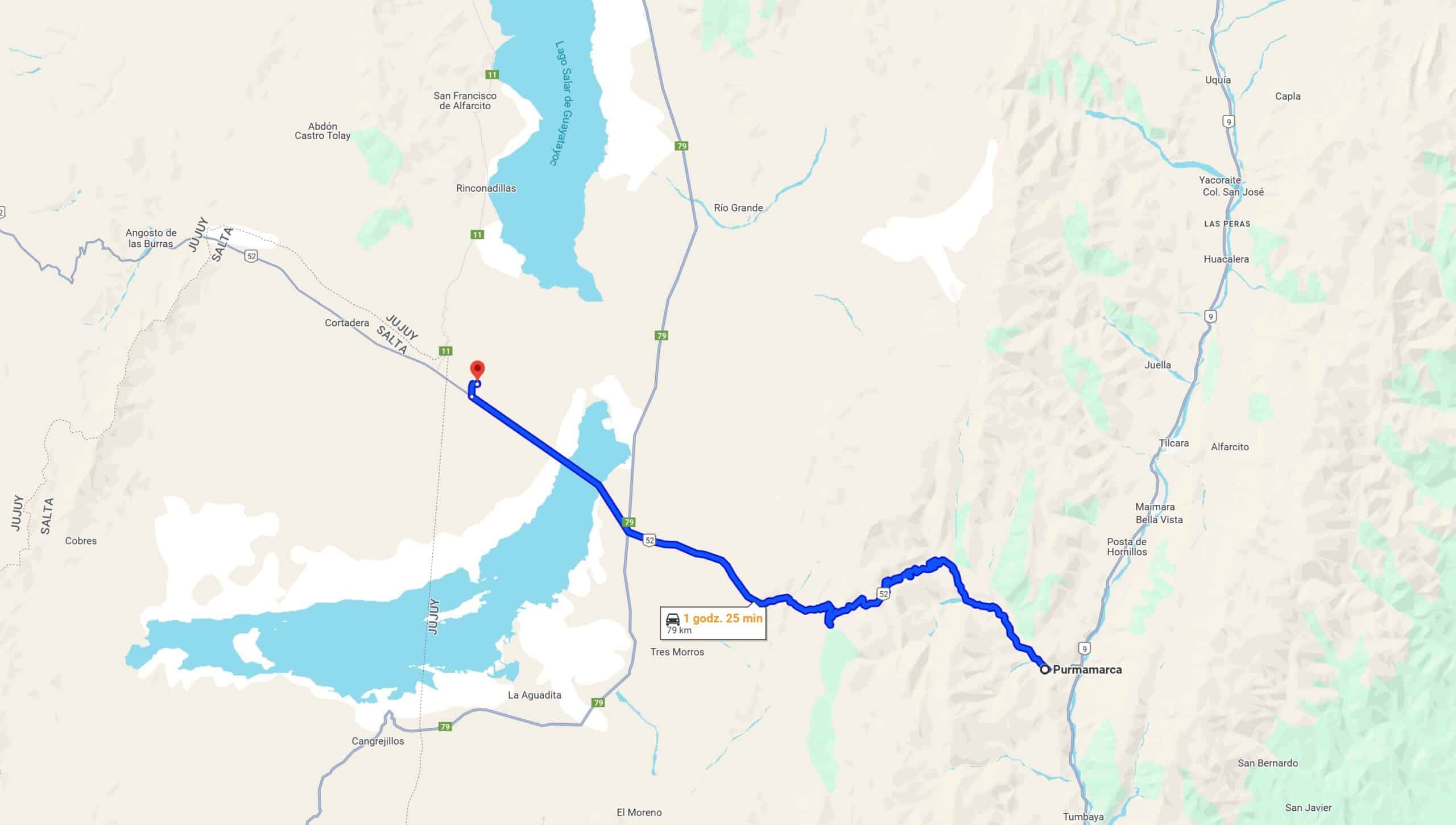
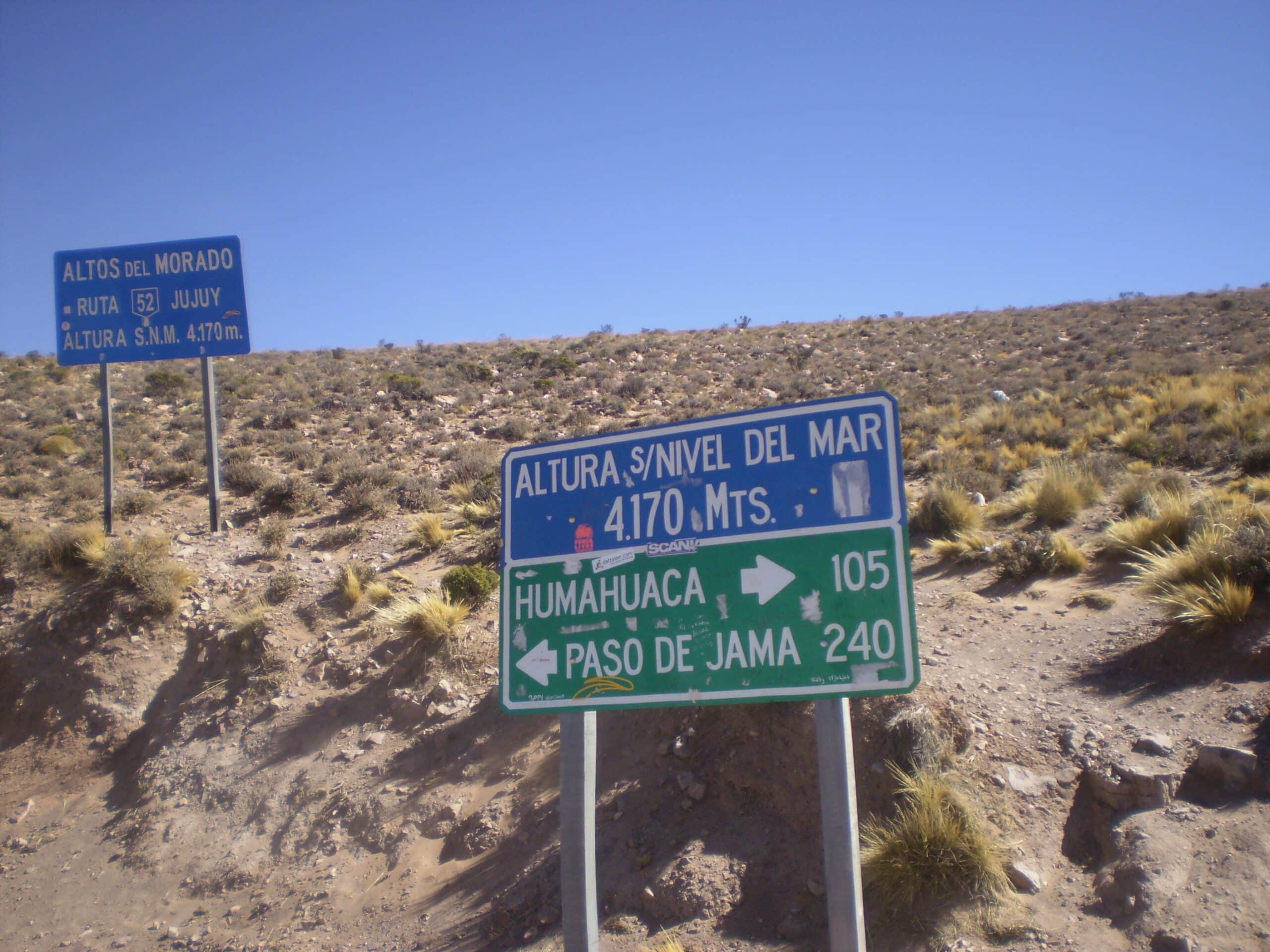
Cuesta del Lipán is a section of the route that is part of the national highway number 52. It is the most winding and steep section of this highway, with numerous twists and turns. The section begins northwest of the town of Purmamarca and ends in Abra de Potrerillos, the highest point located on this route. The altitude of this place is 4170 meters above sea level. It’s worth stopping there to watch in the panoramic views there and take a photo of the vicuñas which often stroll there. Of course, besides this spot, there are a couple of other viewpoints where you can stop. If the weather is good, you can see the Quebrada de Humahuaca (a desert valley with beautiful colorful rock formations), the Nevado del Chañi mountain and the view of the Andes from there. The road is fully paved, and the entire stretch is 80 kilometers long and runs from Purmamarca, which lies 2,192 meters above sea level, to Santuario de Tres Pozos. Along the way we pass Salinas Grandes lying at an altitude of 3,450 meters above sea level. It is a salt marsh with an area of about 500 square kilometers, and the thickness of the salt cover total between 10 and 50 centimeters. Continuing on road number 52, you can reach the Chile-Argentina border crossing, which is located in Paso de Jama. This route is economically and strategically important, as it provides the province with a link to the Pacific Ocean after connecting with roads 27,23 and 24 on territory Chile.
Driving higher and higher, the landscape becomes more and more thinned. Of the plants, there are most cactuses. In addition to the vicuñas mentioned earlier, other types of llamas and donkeys can also be found there. It should be borne in mind that this is a road connecting two countries, also there are periods when many trucks pass along this highway. In the Cuesta del Lipán section, there are usually a couple of stands selling souvenirs and local handicrafts, and beside the Salinas Grandes salt pans not far away, there is another one half as big called Laguna de Guayatayoc that lies to the north of the road.
SHORT HISTORY
Long ago, the area was frequented by mules that descended from the highlands into the valley. However, in the early 1970s, it was decided to create a dirt road there being part of provincial route number 16, connecting San Salvador de Jujuy (the provincial capital) to the city of Susques. In 1979, the section from Purmamarca to Route 40 was embraced national jurisdiction and named National Road No. 52. In 1999, the country and the province signed an announcement agreement to tender for paving, and construction work began in 2000.
WHAT YOU SHOULD KNOW DRIVING ON ARGENTINE’S ROADS
Traffic in Argentina is right-hand drive, and Spanish is the official language. In some areas of Argentina, drivers drive more aggressively. This mainly applies to the larger cities, where bumper-to-bumper driving situations can also occur. Unfortunately, some laws are enforced laxly by some Argentines (according to reports from tourists who have been to this country) such as the right of way. On the other hand, fortunately, drunk driving is strongly enforced there. If you rent a car, beware of trapitos, that is informal employees who charge a fee to watch your car in public places. When drivers refuse to pay for this service, they may have a scratched car or broken windows. In worse cases, things we left in the car may also be stolen. If someone approaches us and will not want to leave, the best solution is to hand him a small amount of money (a few dollars).
Considering the fact that Argentina has very high inflation (one of the highest in the world), is not a rich country, and many people live very modestly, some police officers in the country force bribes from drivers in exchange for not issuing a ticket. This is not praiseworthy behavior, but because of the poor living conditions in the country, it is not surprising.
To drive a car in Argentina, you need to have a valid driver’s license issued in your home country, a vehicle registration certificate and insurance. For cars taken from a rental company, don’t forget to check that the employee gave you a copy of the insurance policy. It is also a good idea to carry a copy of the rent agreement with you. Rental companies are most likely to rent cars to people who are at least 21 years old if they want to rent a car, or 25 years old in the case of a motorcycle. For those who do not meet these age standards, some rental companies may refuse to release the vehicle or will charge an additional fee, such as a deposit.
The following list shows what we need to carry with us, while driving:
– Valid driver’s license (required)
– Vehicle registration document (required)
– Proof of insurance (required)
– First aid kit, fire extinguisher, two warning triangles, (required)
– Wheel wrench and jack (recommended)
– Contract with rental company (recommended)
Speed limits:
– In urban areas, this is usually 40 to 60 km/h (25 to 37 mph).
– In areas outside the city, it is 110 km/h (68 mph).
– On highways, 120 to 130 km/h (74.5 to 81 mph).
Lights: You must have them on while driving at all times. There are fines and penalties for not having lights on.
Priority: In built-up areas, many intersections (except the main ones where there are traffic lights) do not have traffic signs. Occasionally, you may see a stop sign, but usually this sign is not present. Who has priority will not be obvious. At the intersection of a larger road with a smaller one, those driving from the larger (wider) road usually have priority. At some intersections, the car on the right theoretically has priority, but as a rule, the car/driver that gets there first has the “priority”. If we hesitate, most drivers will take this as a sign that he/she has priority.
Toll roads: Many major highways in and around cities are toll roads. Tolls can be paid in cash at toll booths. If there is a very heavy crowd (and drivers are waiting to pass, honking), sometimes workers will open the barriers, so drivers can pass for free.
Road signs: Many road signs are pictograms used throughout the world. All road signs are in Spanish.
Seat belts: Everyone in the car must fasten a seat belt. Children under the age of 12 must ride in a car seat or booster cushion. Children 12 and older may ride in the front seat.
Cell phones: When driving, you can only talk on a cell phone using a hands-free set.
Gas stations: There are many in major cities such as Buenos Aires, La Matanza, Rosario, La Plata and Cordoba. However, if you will be heading to Patagonia, you should take 1 or 2 canisters of fuel with you, as there are not many stations.
Emergency numbers:
911 emergency number
101 police
100 fire department
107 ambulances.
Parking: To park, look for the capital letter “E” and the words “estacionamiento,” which means parking lot in Spanish. In larger cities, parking lots are paid while on their outskirts or in towns you can find free parking. Keep in mind that some places have specific hours when parking is not allowed. Standing in the opposite direction on a one-way street is prohibited.
VEHICLE RENTAL AND ACCOMMODATION IN A CAMPER
Finding a rental car in Argentina is not difficult when it comes to the larger cities. In the capital of the province of Salta, in the city of Salta, you can find, Hertz and Alpha Rent, among others. This town is less than 200 kilometers from Cuesta del Lipán. You can rent “normal” sedan/combi cars or 4×4s such as minivans or off-road vehicles. It is logical that if you have plans for off-road expeditions, there can be only one choice – an off-roader 😊. You can also rent a camper or converted off-roader, but it is much easier and more often to find such rentals in Chile. One such company is Wicked Camper.
The advantage of an RV or converted off-roader is the ability to sleep in such a vehicle and the ease of camping in the wilder parts of South America. In Chile and Argentina, it is rather no problem to camp anywhere except, of course, in private areas, near military areas, etc. For lovers of being out in nature, this is ideal. Keep in mind, however, that at altitudes of 3,000 meters above sea level and above at night there are very frequently minus temperatures, so if you don’t have a proper sleeping bag or parking heater in your car, a reasonable option would be to choose a hostel (hospedajes) for the night, of which there are many in Argentina and Chile in the cities and towns there.
TIDBIT
Cuesta de Lipán was awarded “Road Work of the Year 2004” by the Argentine Road Association.
TIPS
- Being in the local area and wanting to go to Chile, it is worth remembering that the average stopping time at a border crossing is 4 – 6 hours. This time should be recalculated x2 when you rent a car there because usually rental companies do not give permission to return the vehicle on the territory of Chile, so you have to return in a borrowed vehicle.
- If possible, it is recommended to cross the border in the morning, as traffic is less then, and to avoid the holiday season, that is, from early December to late February.
SUMMARY
Cuesta de Lipán is undoubtedly a beautiful stretch of road that is worth a drive if you are in the northwestern part of Argentina near the Chilean and Bolivian borders. The fact that it is a road with an elevation of 2,000 meters and its highest point is above 4,000 meters above sea level and in addition, it is open all year round makes that it is a must-see item for every motorized tourist and motorized Argentine. And it’s definitely worth going there for the local views, those.

Author MARINACHE2020, source commons.wikimedia.org.


Author Damien Roué source flickr.

Author Bachelot Pierre J-P, source commons.wikimedia.org.

SHARE AN ARTICLE
SEE ALSO

GROSSGLOCKNER ALPINE ROAD

LORD HOWE ISLAND
