
12.12.2025
VATNAJÖKULL ICE CAVE
Iceland is called by some the land or kingdom of fire and ice. Fire alludes to the volcanoes located on the island, and ice alludes to the glaciers that cover the local terrain. There are approximately 269 of them. But there is something else that this beautiful land is famous for. Namely, the wonderful ice caves with their unusual winding shapes and blue color. In this guide, we will focus on the Vatnajökull ice cave and the glacier of the same name.
DESCRIPTION
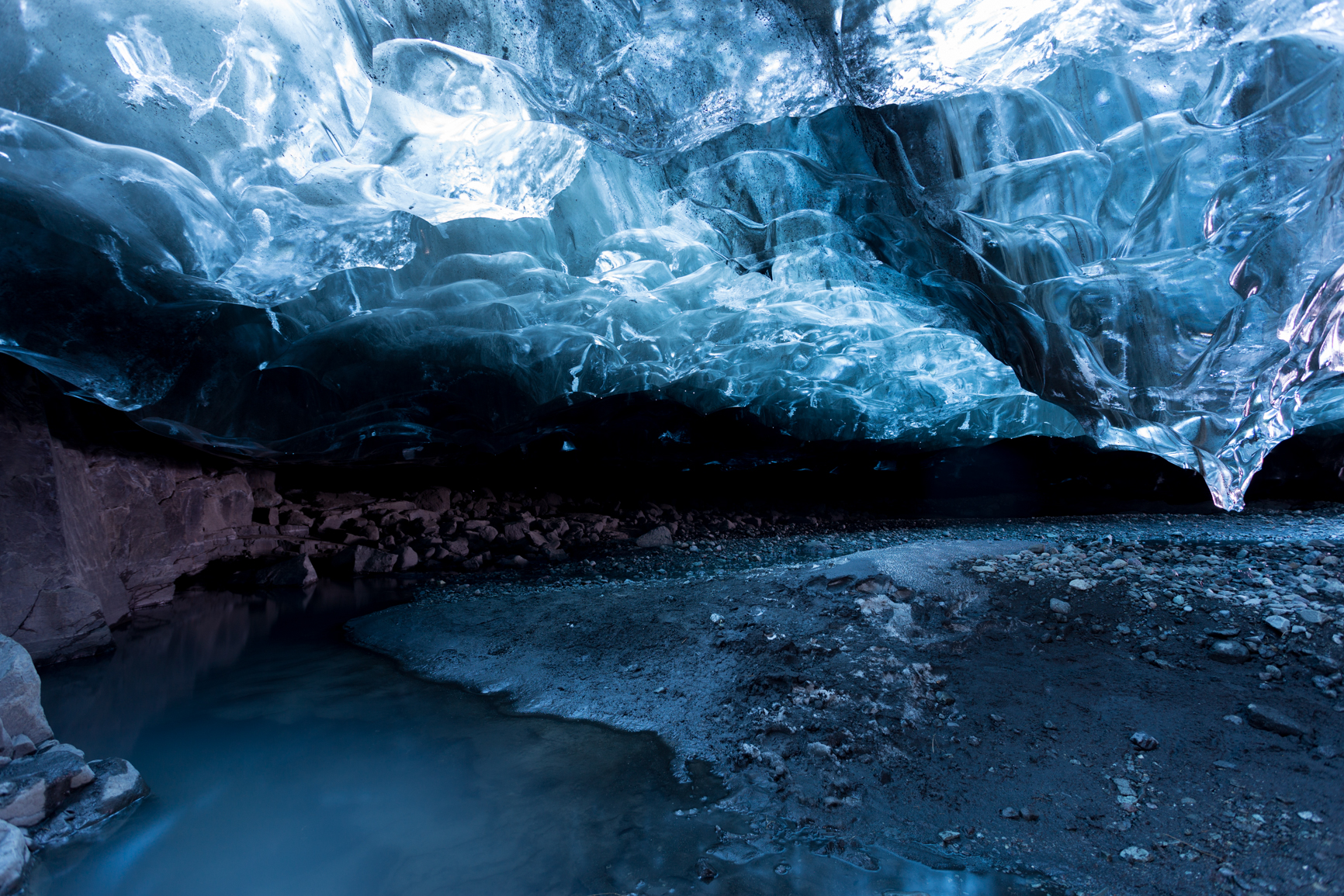
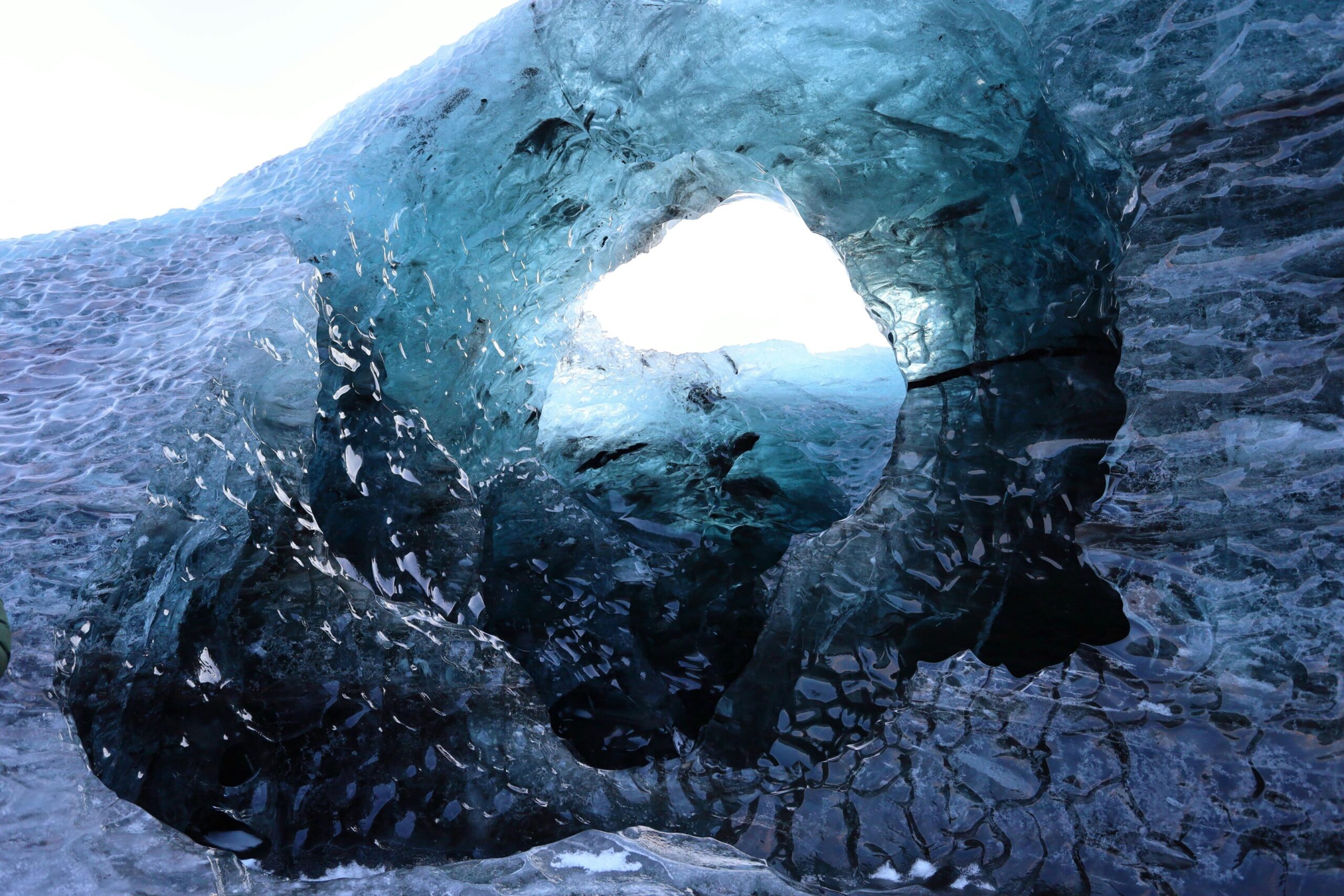
The Vatnajökull ice cave is one of the largest natural ice caves in Iceland. It amazes tourists with its size, beautiful blue colors, enchanting structure, and the peace that reigns within it. The play of light that takes place inside it creates a surreal atmosphere, making it a must-see for nature lovers and photographers.
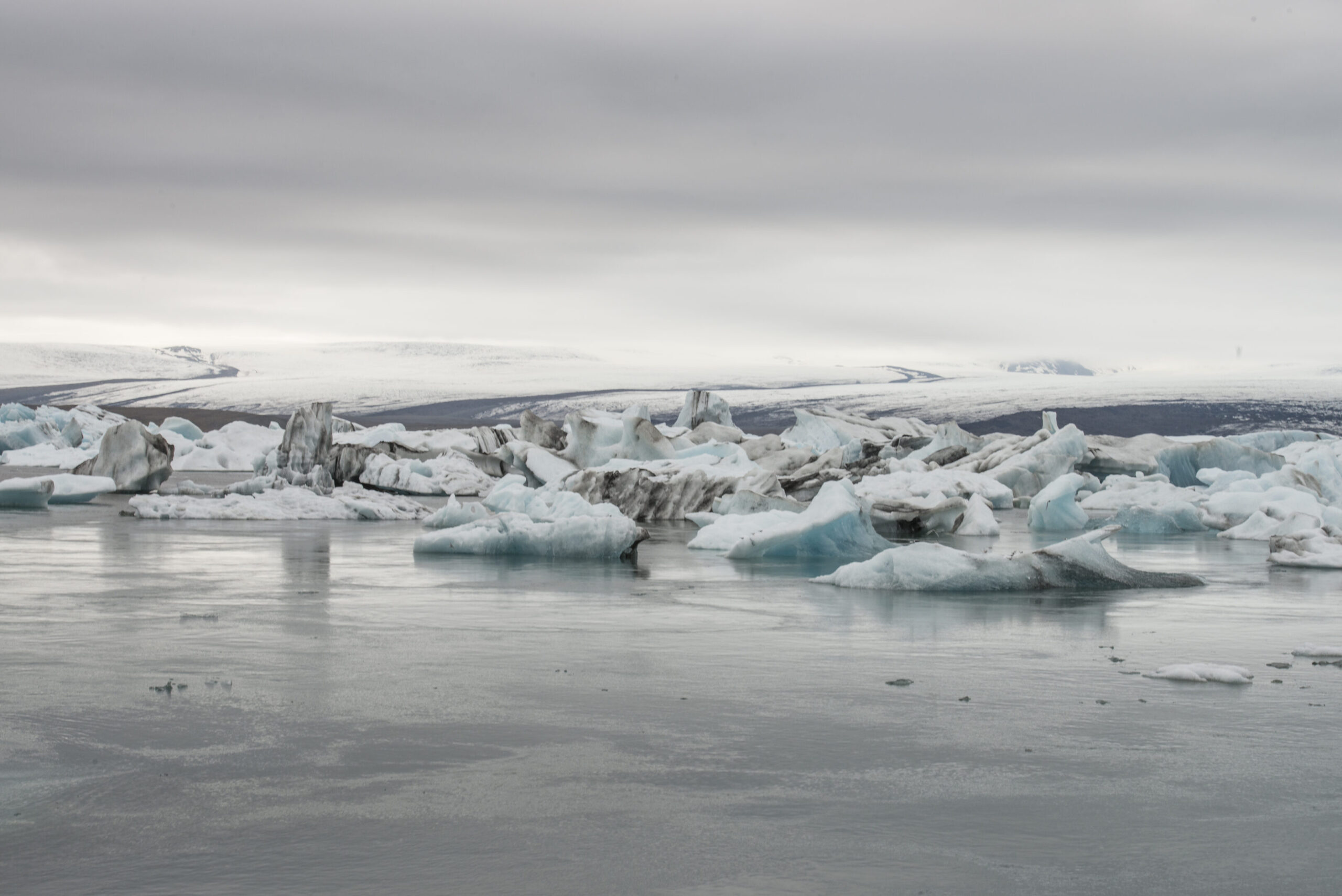
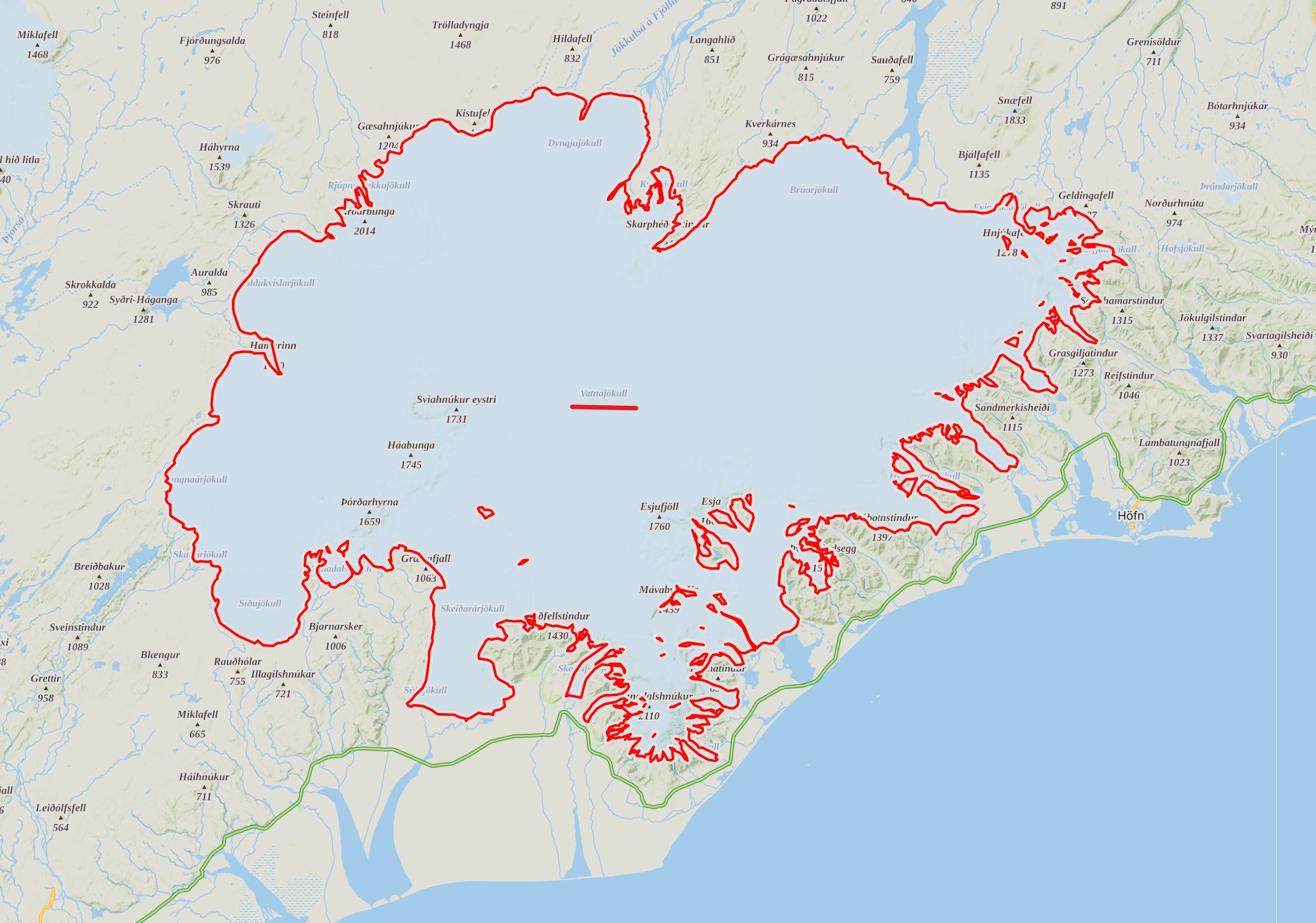
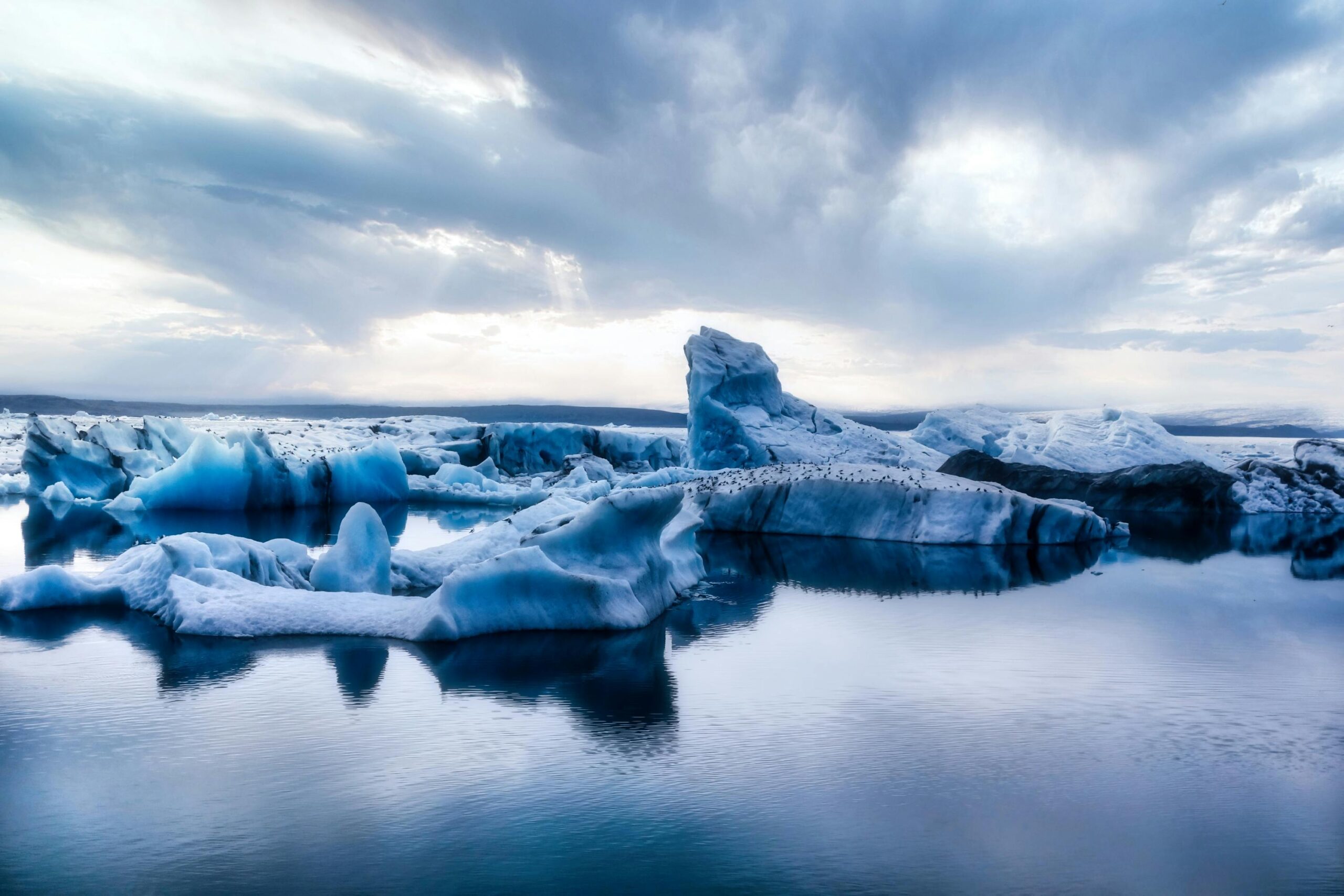
The Vatnajökull glacier, sometimes called the “Vatna glacier,” is one of the largest ice caps in Europe, covering approximately 7-8% of Iceland’s surface area (data varies depending on the source). Its area is 7,700-8,300 square kilometers (data depending on the source), and the average thickness of the ice is about 380-400 meters. Its landscape is very diverse, consisting of mountains, valleys, canyons, waterfalls, glacial rivers, and even volcanoes, which are located beneath the thick layer of ice. Grímsvötn, Bárðarbunga, and Öræfajökull are volcanoes that are still active. At the southern end, you can see the majestic Jökulsárlón Glacier Lagoon, which was formed by the melting of the Breidamerkurjokull glacier, part of the Vatnajokull National Park, one of the most visited nature reserves in Iceland. The lagoon consists of icebergs that break off from the glacier and drift towards the Atlantic Ocean.
Glacier Vatnajökull is classified as an ice cap, meaning that the ice mass covering a given area often has a relatively flat surface with bulges at the tops of the mountains and volcanoes it covers. Ice caps such as Vatnajökull form in polar or high mountain regions where snow accumulation is greater/faster than melting, leading to a gradual accumulation of ice over time. Such glaciers are in relentless “motion” because the ice frequently crumbles under its weight, which means that ice canyons and the edges of the glacier never look the same and their form often changes. In addition, Vatnajökull has numerous outlet glaciers that extend from its center and flow down valleys, sculpting the landscape there. The outlet glaciers in Vatnajökull are responsible for the formations that make up the local glacier tongues and amazing ice caves.
HOW VATNAJÖKULL WAS FORMED
The Vatnajökull glacier was shaped by geological factors over thousands of years. Its formation began during the ice ages, especially during the last glaciation, approximately 110,000 years ago, and ended about 12,000–14,000 years ago. During the ice ages, snow accumulated in central Iceland, where it gradually turned into ice under the influence of very low temperatures, thus creating a huge ice sheet. Over time, the layer of snow and ice became thicker and more extensive, forming a large glacier covering an increasingly larger area of the island.
Under the weight and pressure of the accumulating ice and snow (which contributed to the growth of the glacier and its “movement”), the glacier under its cover began to comprise U-shaped valleys and canyons. About 20,000 years ago, the ice sheet began to melt and gradually retreated inland, and 10,000 years ago it covered only the highest mountains in the central highlands of the island. Since then, Vatnajökull has been the largest glacier in Iceland and the second largest in Europe (after the Severny Island ice cap on Novaya Zemlya in Russia).
HOW ICE CAVES FORM IN ICELAND
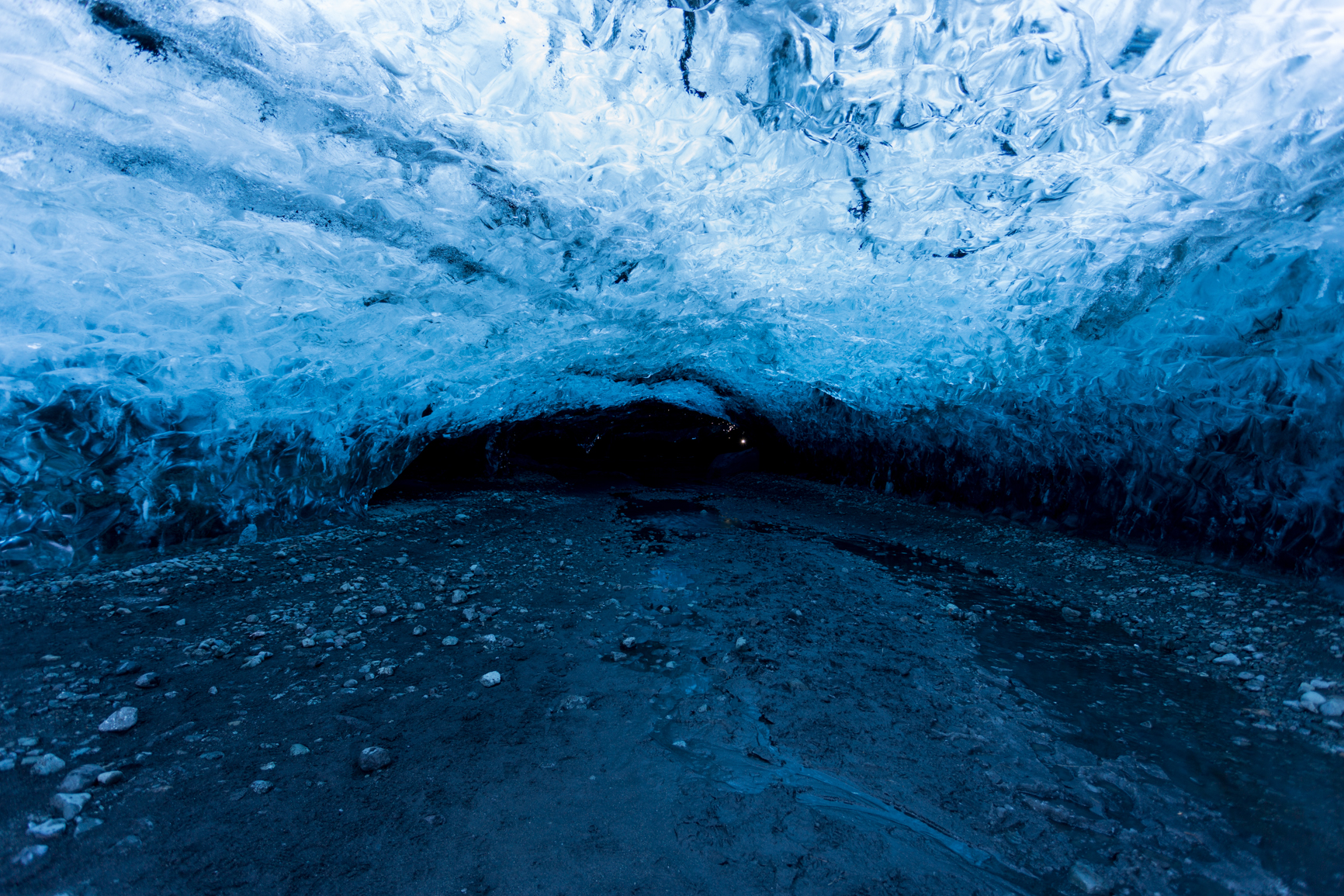
In some countries, ice caves look almost the same year after year because temperatures don’t fluctuate significantly. However, caves in Iceland are different. Ice melts in the summer due to rising temperatures and sunlight, which contributes to the formation of water channels that form within the glacier or at its base. Water then flows through the glacier, creating crevasses, tunnels, chambers, and passages that together form the local caves. In summer, these caves are usually filled with water and inaccessible to visitors. When temperatures drop in autumn and the glaciers stop melting, the water flow in the caves begins to decrease and often stops completely in winter, when temperatures drop below freezing. This is how ice caves are formed. Then the guides start looking for new caves, large and safe enough so that they can be made available to tourists. However, when winters are warmer, rainier, and with strong winds, the caves may still be partially flooded with water, and in such a case, for safety reasons, such caves are not open to tourists.
WHY IS THE ICE IN A CAVE “BLUE”?
One of the most distinctive features of Iceland’s ice caves is undoubtedly their beautiful blue color. Glacial ice appears blue, and the main factor contributing to this is its density, which is much greater than ordinary ice, such as that taken from a freezer. This ice is also significantly thicker. This is the result of a process standing thousands of years, in which snowflakes that first fell on the frozen ground and then on the ice, snowflakes are compressed by the next snowfall, which fell and then refreezes, turning into ice. When under the influence of masses of ice and snow striking compression, air bubbles are stuffed to the surface, whereby the ice becomes thicker and thicker. When a block of ice is too dense to contain air, light can penetrate deeper. And the deeper light penetrates such ice, the more red color (and other colors) it loses along the way, except blue, giving the ice such incredible color. That’s why glacial ice in Iceland has this magical shade of blue, creating a mesmerizing atmosphere inside caves.
LOCATION
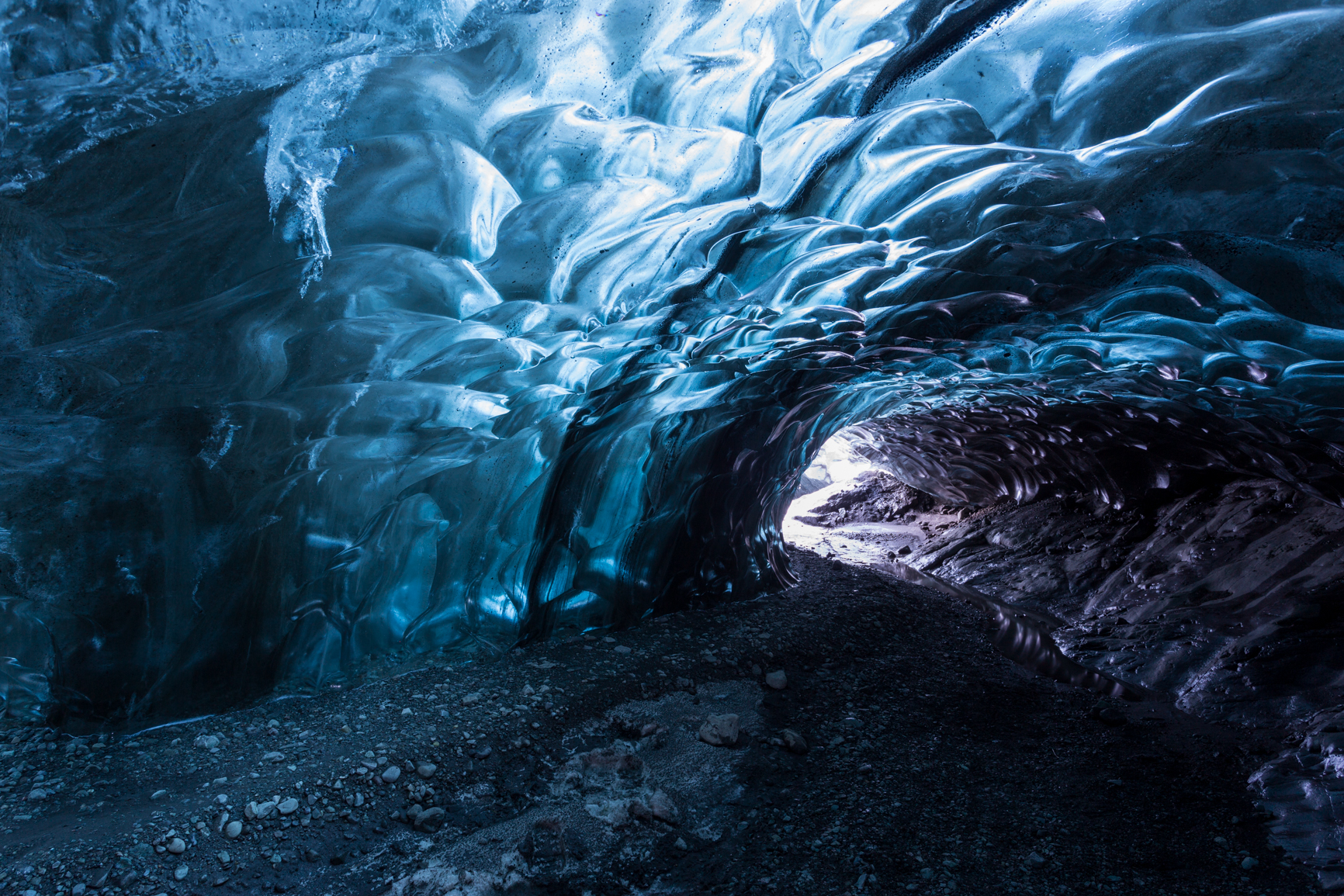
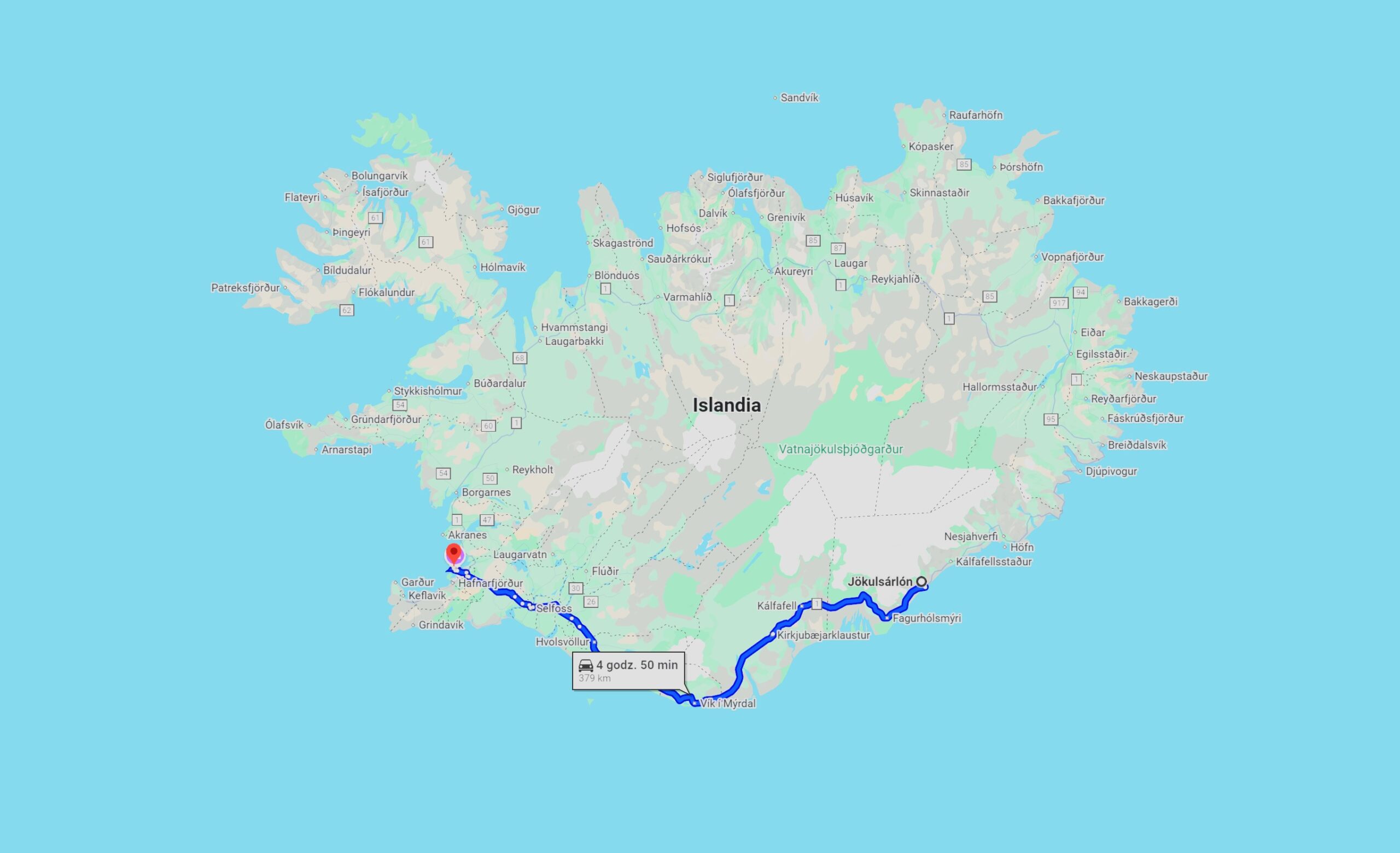
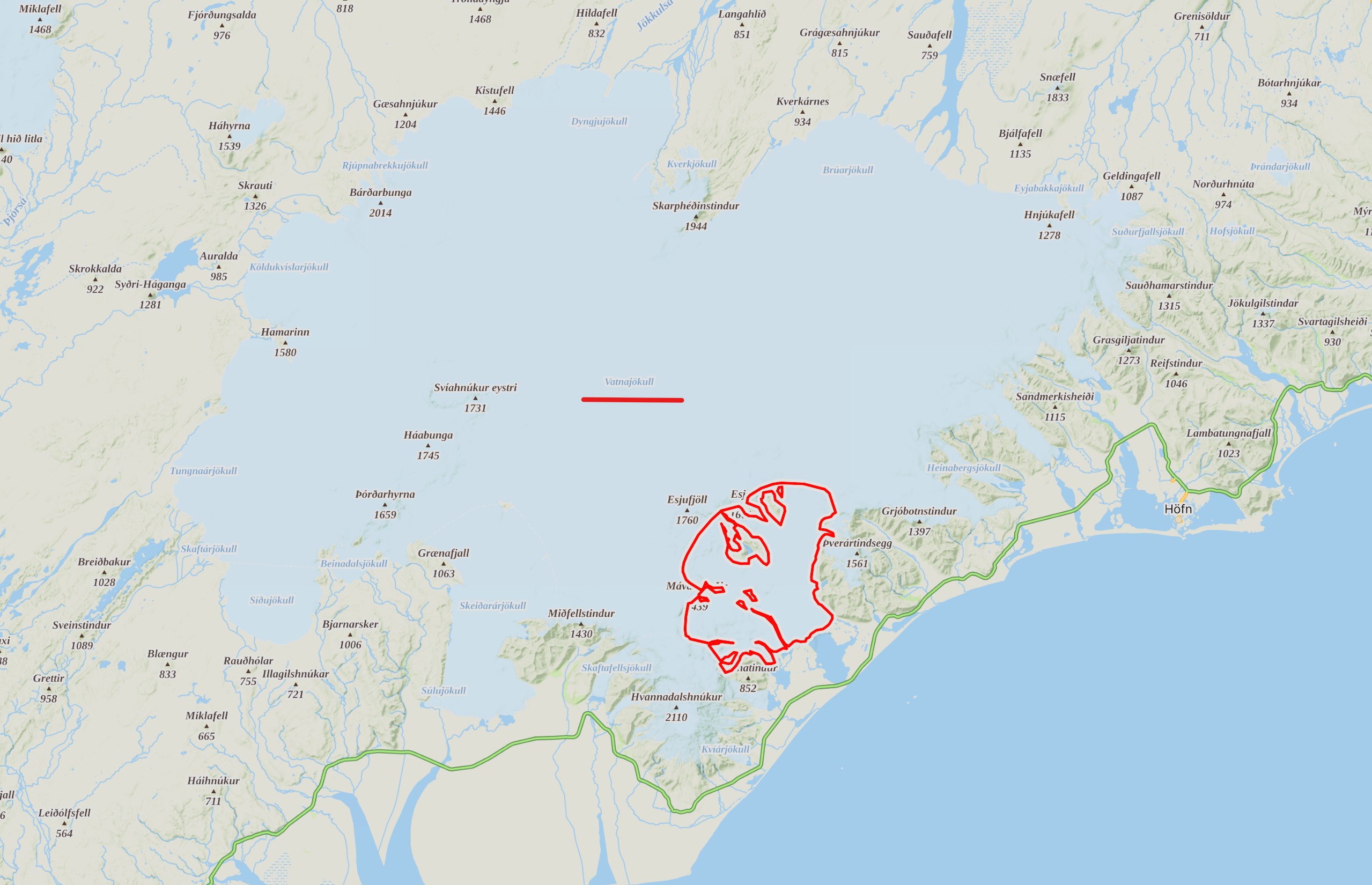
Vatnajökull glacier is located in the southeast of Iceland, and the Vatnajökull cave itself is located on its rim, concretely in the area of the Breidamerkurjokull glacier, which is the outlet glacier for the much larger Vatnajökull glacier.
The drive from Reykjavík to the ice cave takes about 5 hours, and the road follows the beautiful coastline bordering the Atlantic Ocean. The meeting point for most tours, whether to Vatnajökull glacier or the cave, is the parking lot at Jökulsárlón Glacier Lagoon.
WHAT YOU NEED TO KNOW
- It’s recommended to book your tour in advance to ensure that we will book the date that suits us best.
- Before setting off, check the weather and conditions in the glacier area.
- If you want to drive yourself or explore other beautiful places in Iceland on your own, recommended car rental sites include: Iceland Cars, Cars Iceland, Lotus Car Rental, Reykjavik Cars, Star Car Rental, and Zero Car.
- Always take a guided tour of a cave or glacier.
- Avoid touching the cave walls and leaving garbage.
WHAT TO BRING
- Hiking boots, insulated and waterproof, are essential for exploring ice caves. If you don’t have such footwear, travel agencies that organize cave and glacier hikes often offer equipment rentals for a fee.
- Remember to wear warm and waterproof pants, a jacket, and gloves. It’s best to dress in layers.
- If possible, it’s recommended to bring a helmet with the possibility of attaching a headlamp to it.
- Photographers will need a tripod, because low light makes it difficult to take sharp photos.
- You can bring snacks like energy bars or nuts. A thermos of hot tea is also a good idea.
- Bring your camera 😊, but don’t use a flash.
WHEN IS THE BEST TIME TO VISIT CAVES?
Ice caves in Iceland are best explored in winter, specifically from mid-November to mid-March. Outside this period, higher temperatures cause glacier melt, which makes exploring the caves dangerous due to the flowing water in the crevices and glacier corridors.
ATTRACTIONS NEAR VATNAJÖKULL CAVE
Jökulsárlón Glacier Lagoon is one of the most popular attractions on the route to Vatnajökull. This beautiful glacial lake formed in the 1920s and continues to grow. Currently, it is the deepest lake in Iceland, with a depth of 248 meters (814 feet). Icebergs from the tongue of the Breiðamerkurjökull glacier drift across the lake’s surface, eventually reaching the North Atlantic.
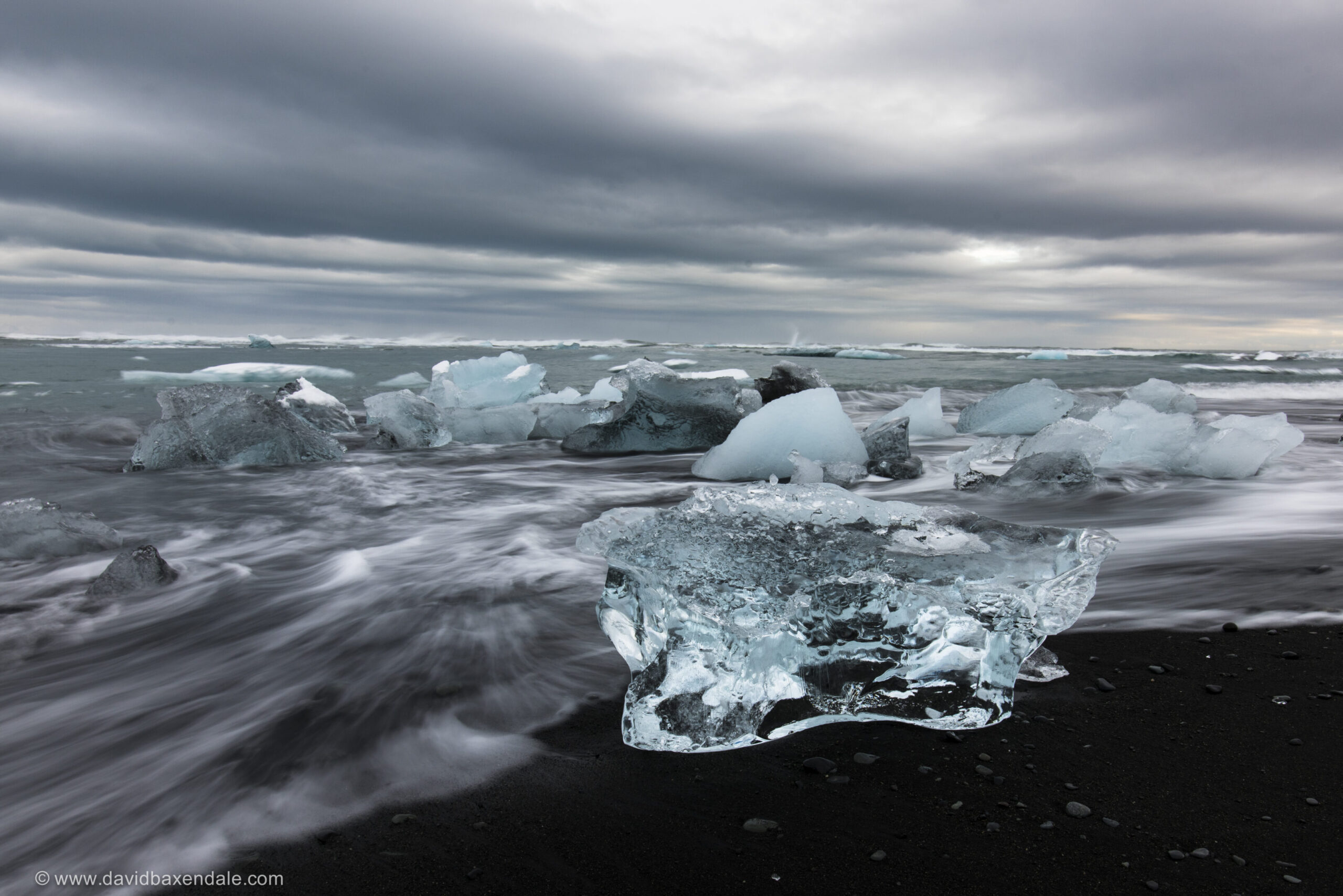
Diamond Beach is a spot near Jökulsárlón Glacier Lagoon where pieces of drifting icebergs that break off from them settle on the beach. But this is no ordinary beach. The sand is black because it is of volcanic origin. This creates a beautiful sight of diamond ice cubes scattered across the black beach, and that’s where the name comes from.
TIDBITS
Vatnajökull is pronounced as “Vat-nah-yer-kutl.”
Eruptions beneath the ice can lead to so-called jökulhlaups, that is, violent glacial floods.
In summer, boat and amphibious vehicle tours take place on the Jökulsárlón Lagoon. The offer can be found on the official websites of companies that provide this type of service. These are: Ice Lagoon and Glacier Lagoon.
SUMMARY
Vatnajökull Ice Cave is undoubtedly a beautiful place on the map of Iceland. Thanks to its incredible labyrinths and the blue color of the ice, visitors to this cave will certainly be mesmerized by its charm, and photographers will spend long moments here capturing beautiful shots. Considering the fact that there are organized hikes to the Vatnajökull glacier and boat trips on the Jökulsárlón Glacier Lagoon nearby, this is certainly not a place that can be ticked off your travel list in just one day of sightseeing.

Author David Phan, source flickr.com.


Author David Phan, source flickr.com.
SHARE AN ARTICLE
SEE ALSO

CUESTA DEL LIPÁN

LORD HOWE ISLAND
